





Elevate Your Skills: The Importance of Rescue and Advanced Diving Techniques
- admin79202
- Mar 18
- 3 min read
Updated: Apr 6
Scuba diving is an exciting activity, but it carries inherent risks. Unexpected situations such as equipment failure, strong currents, or diver panic can occur. Rescue diver training equips scuba divers with the knowledge and confidence to handle emergencies effectively. Advanced diving skills allow divers to explore deeper, navigate complex environments, and extend dive times safely. Also, ITDA offers a route to technical diving as an upgrade path from scuba diving.
By pursuing rescue diver certification, divers learn how to prevent accidents and assist others in distress. This training builds a strong foundation for safe diving practices and prepares divers for leadership roles during group dives.
Core Rescue Techniques Every Diver Should Master
Rescue diver courses focus on practical skills that can save lives underwater. Some essential techniques include:
Underwater Communications / Signaling: Effective communication underwater is vital.
Recognizing Distress Signals: Identify signs of panic or unconsciousness in other divers early.
Decompression Diving: Understand the principles for safer diving.
Approach and Contact: Safely approach a distressed diver without causing further panic.
Controlled Ascents: Manage the ascent of an unconscious or panicked diver while maintaining control.
Providing Emergency Breathing: Share air using an alternate air source or buddy breathing.
Towing and Transporting: Move an incapacitated diver to safety efficiently.
Performing Surface Rescues: Techniques for bringing a diver safely to shore or boat, including CPR and first aid.
These skills are practiced repeatedly in controlled environments during certification courses to build muscle memory and confidence.
Advanced Diving Techniques to Expand Your Underwater Skills & Specialist Diver Levels
Once rescue skills are mastered, divers often pursue more advanced diving certification to explore new environments and challenges. Key advanced techniques include:
Buoyancy & Gas Management: Master buoyancy and conserve air/gas effectively.
Nitrox Diving: Dive with up to 40% oxygen and use Nitrox as a decompression gas.
Deep Diving: Understand nitrogen narcosis, decompression limits, and use dive computers for safe deep dives.
Underwater Navigation: Use natural landmarks, compasses, and dive computers to navigate complex underwater terrain.
Night Diving: Manage limited visibility, use dive lights, and communicate effectively in the dark.
Drift Diving: Handle strong currents by planning entry and exit points and maintaining group cohesion.
Wreck, Ice, and Cave Diving Basics: Learn proper buoyancy and line handling techniques to explore wrecks or caves safely.
Overhead Environment Diving: Understand the risks and techniques for diving in overhead environments.
Trimix - Mixed Gas Diving: For safe diving below 40m (132ft).
SCR / CCR Rebreather Diving: Semi-closed and closed circuit units with generic and manufacturer-approved courses.
These skills require additional training and experience but greatly enhance a diver’s confidence and enjoyment. All of the above are available as Diving Certifications as "Specialist Diver."

How to Get Certified in ITDA Rescue and Advanced Diving
ITDA-IHMP International Certification is essential to validate your skills and knowledge. Most scuba diving operations offer structured courses for rescue diver and advanced diving certifications. Here’s how to approach the process:
Choose a Reputable ITDA Dive School: Look for ITDA instructors with strong experience and positive reviews. https://www.itda-ihmp.agency
Meet Prerequisites: ITDA Rescue diver courses usually require prior open water certification and a minimum of 20+ Open Water dives experience. Advanced and some specialist courses require prior rescue certification and experience.
Complete Program Theory and Practical Skills Development Sessions: Courses combine classroom learning with pool and open water skills training.
Pass Assessments: Demonstrate your knowledge and skills through assessments, practical exams, and written tests.
Gain Experience: After certification, practice your skills regularly and participate in supervised dives.
Certification not only improves your safety but also increases your value as a dive buddy or guide.
Practical Tips for Applying Rescue and Advanced Skills
Training is only effective when applied in real life. Here are some tips to make the most of your new theoretical knowledge and diving skills:
Dive with a Buddy: Always dive with someone trained in rescue techniques.
Plan Your Dive Thoroughly: Review dive plans, emergency procedures, and signals before entering the water. Have a backup plan and calculate risks.
Stay Calm and Communicate: In emergencies, clear communication and calm actions prevent panic.
Practice Regularly: Refresh your skills through drills and refresher courses.
Know Your Limits: Advanced diving techniques require physical fitness and mental readiness; do not push beyond your comfort zone.
ITDA Advanced Divers may enter ITDA technical diving and leadership level programs.
By integrating these habits, scuba divers can enjoy safer and more rewarding underwater adventures.
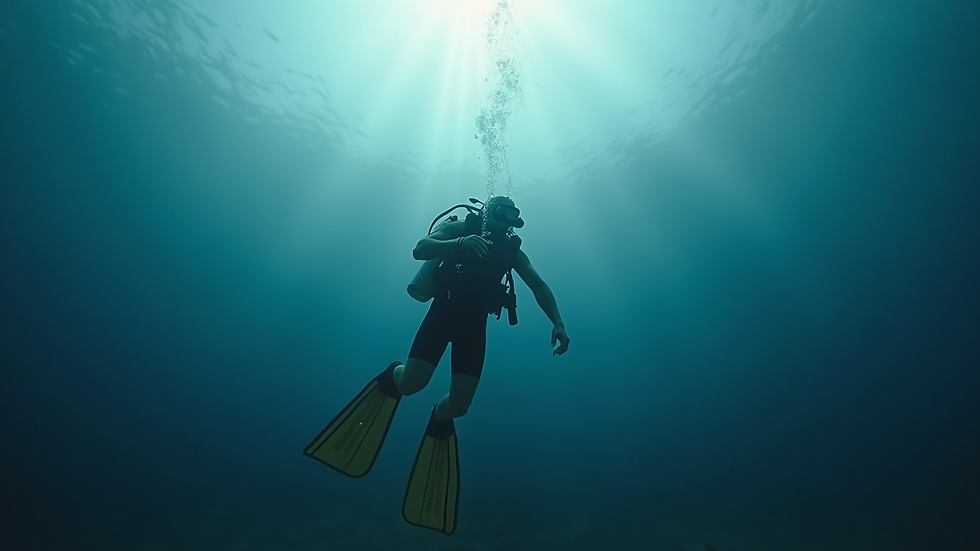
Conclusion: Mastering Rescue and Advanced Diving Techniques
Mastering rescue and advanced diving techniques transforms a recreational scuba diver into a confident and capable diver. These skills enhance safety, open new diving opportunities, and prepare divers to assist others in emergencies. Pursuing certification and practicing regularly will ensure you are ready for any underwater challenge.
Take the next step in your scuba diving journey by enrolling in a rescue diver or advanced diving course today and experience the ocean with greater skill and confidence. For more information, please mail us: admin@diveitda.com


Comments